Explanation
The Five Types
Below, we explain five sensory processing types. You can often recognize a person’s type by observing their behavior. It gives important clues about how someone processes sensory input. We call this looking through the SPi-glasses (Sensory Processing glasses).
When you put on the SPi-glasses, you begin to see that certain behaviors may reflect differences in how the brain processes sensory input.
Four of these types, the ones that differ from neutral sensory processing, are based on Winnie Dunn’s Model of Sensory Processing (1997). She was the first to describe these four distinct sensory profiles.
The 5 different types
Underresponsive and active
Underresponsive and passive
Overresponsive and active
Overresponsive and passive
The 5 different types
Underresponsive & active
Underresponsive & passive
Overresponsive & active
Overresponsive & passive
Neutral
Too much or too little input
The four non-neutral types each represent a different way of responding to sensory processing challenges. They differ from the neutral (average) sensory profile.
Some people experience too little input, much of what they receive may be labeled by the brain as “boring.”
Others experience too much input, the brain may label a large amount of sensory information as “VIP” or highly important.
You can often recognize this through behavior. Some people actively seek more input. Others avoid it. Some may appear passive, even when the input does not match what their nervous system needs.
To make the differences easier to understand, we describe the types in a somewhat exaggerated way. With experience, you will begin to notice the more subtle variations. It is also common for people to recognize themselves, or others, in more than one type.
The four non-neutral types each represent a different way of responding to sensory processing challenges. They differ from the neutral (average) sensory profile.
Some people experience too little input, much of what they receive may be labeled by the brain as “boring.”
Others experience too much input, the brain may label a large amount of sensory information as “VIP” or highly important.
You can often recognize this through behavior. Some people actively seek more input. Others avoid it. Some may appear passive, even when the input does not match what their nervous system needs.
To make the differences easier to understand, we describe the types in a somewhat exaggerated way. With experience, you will begin to notice the more subtle variations. It is also common for people to recognize themselves, or others, in more than one type.
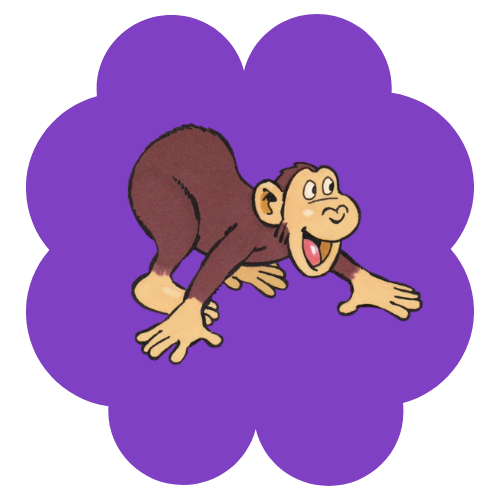
Underresponsive and active
Profile
When too little sensory input reaches the brain, a person may feel sluggish or sleepy. To stay alert, this type actively seeks extra input.
They look for stronger, longer, and more intense sensory experiences because that is what their nervous system needs.
Behavior you might see with this type: busy, spontaneous, exuberant, enthusiastic, chaotic, attention-seeking, and seemingly never stopping.
Typical characteristic
- Always on the move
- Seeks excitement, variety, and new experiences
- Gets bored easily
- Prefers learning with movement or background sound
- May struggle with concentration
- Finds calm, low-input environments difficult
Underresponsive and active
Profile
When too little sensory input reaches the brain, a person may feel sluggish or sleepy. To stay alert, this type actively seeks extra input.
They look for stronger, longer, and more intense sensory experiences because that is what their nervous system needs.
Behavior you might see with this type: busy, spontaneous, exuberant, enthusiastic, chaotic, attention-seeking, and seemingly never stopping.
Typical characteristic
- Always on the move
- Seeks excitement, variety, and new experiences
- Gets bored easily
- Prefers learning with movement or background sound
- May struggle with concentration
- Finds calm, low-input environments difficult
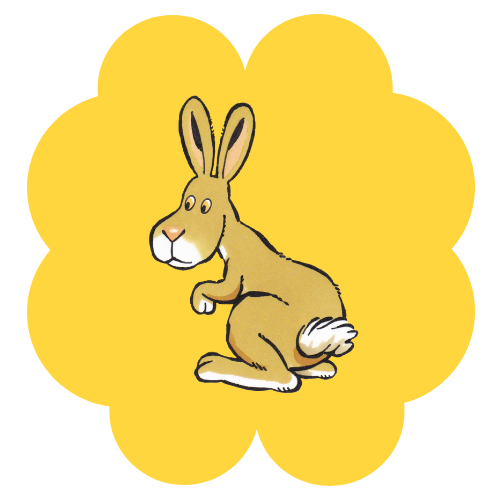
Underresponsive and passive
Profile
When too little sensory input reaches the brain, this person may feel sluggish or slow. Unlike the active type, they do not seek extra input, so they may miss important information.
They often appear calm and flexible, but may not notice when something requires action.
Behavior you might see with this type: flexible and sluggish, not easily bothered, missing information, and hard to reach/engage.
Typical characteristic
- Calm and easygoing
- Not easily distracted
- Appears uninterested at times
- May miss instructions or their name being called
- Can seem slow or forgetful
- Functions well in busy environments
- Needs prompting to stay engaged
Profile
When too little sensory input reaches the brain, this person may feel sluggish or slow. Unlike the active type, they do not seek extra input, so they may miss important information.
They often appear calm and flexible, but may not notice when something requires action.
Behavior you might see with this type: flexible and sluggish, not easily bothered, missing information, and hard to reach/engage.
Typical characteristic
- Calm and easygoing
- Not easily distracted
- Appears uninterested at times
- May miss instructions or their name being called
- Can seem slow or forgetful
- Functions well in busy environments
- Needs prompting to stay engaged
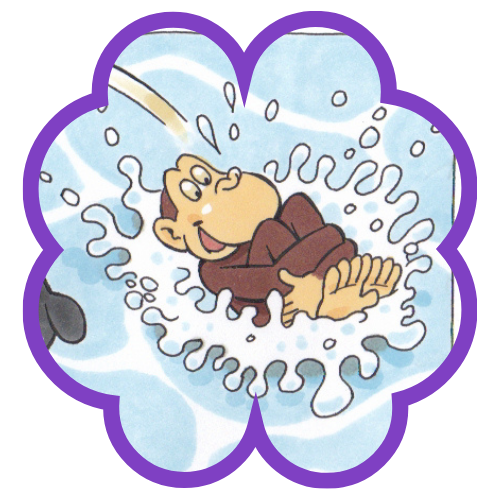
Overresponsive and active
Profile
When too much sensory input reaches the brain, this person feels flooded. To prevent overload, they try to control their environment.
They avoid unpleasant input and seek structure and predictability to stay regulated.
Behavior you might see with this type: structured and decisive, detail-oriented, quickly tense, and wanting to stay in control.
Typical characteristic
- Creates routines and clear structure
- Notices small details
- Prefers calm, predictable environments
- Dislikes unexpected changes
- Can be perfectionistic or controlling
- Gets easily irritated or emotional
- Prefers familiar tastes and experiences
Overresponsive and active
Profile
When too little sensory input reaches the brain, this person may feel sluggish or slow. Unlike the active type, they do not seek extra input, so they may miss important information.
They often appear calm and flexible, but may not notice when something requires action.
Behavior you might see with this type: flexible and sluggish, not easily bothered, missing information, and hard to reach/engage.
Typical characteristic
- Creates routines and clear structure
- Notices small details
- Prefers calm, predictable environments
- Dislikes unexpected changes
- Can be perfectionistic or controlling
- Gets easily irritated or emotional
- Prefers familiar tastes and experiences
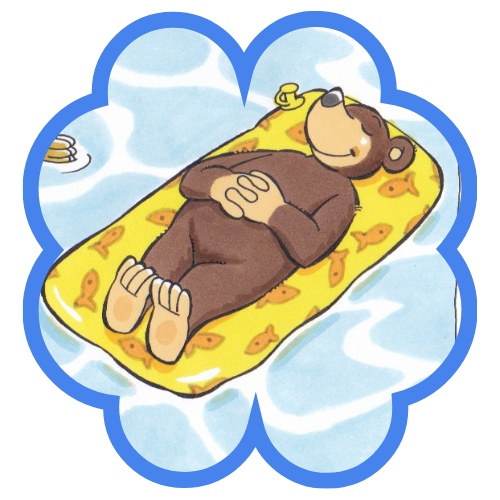
Overresponsive and passive
Profile
When too much sensory input reaches the brain, this person also feels overwhelmed. However, they do not actively change their environment, which can lead to overload.
They are sensitive and perceptive, but easily overstimulated.
Gedrag dat je bij dit type kunt zien is: gevoelig, opmerkzaam, vindt rust prettig, nerveus, kan opeens overstuur raken
Typical characteristic
- Highly aware of their surroundings
- Notices subtle details
- Works best in quiet environments
- Easily distracted
- Can become anxious or emotional
- Feels uncomfortable with intense input
- May suddenly react strongly
Overresponsive and passive
Profile
When too little sensory input reaches the brain, this person may feel sluggish or slow. Unlike the active type, they do not seek extra input, so they may miss important information.
They often appear calm and flexible, but may not notice when something requires action.
Behavior you might see with this type: flexible and sluggish, not easily bothered, missing information, and hard to reach/engage.
Typical characteristic
- Highly aware of their surroundings
- Notices subtle details
- Works best in quiet environments
- Easily distracted
- Can become anxious or emotional
- Feels uncomfortable with intense input
- May suddenly react strongly
Neutral
Profile
This person receives enough sensory input and can usually respond to it in a balanced way.
They adjust naturally to what their body and environment need without feeling overwhelmed or under-stimulated.
When sensory processing works well, daily life feels manageable and balanced.
Typical characteristic
-
Adapts easily
-
Filters relevant from irrelevant input
-
Is rarely bothered by sensory input
-
Can concentrate in most environments
-
Responds appropriately to changes
Neutral
Profile
This person receives enough sensory input and can usually respond to it in a balanced way.
They adjust naturally to what their body and environment need without feeling overwhelmed or under-stimulated.
When sensory processing works well, daily life feels manageable and balanced.
Typical characteristic
-
Adapts easily
-
Filters relevant from irrelevant input
-
Is rarely bothered by sensory input
-
Can concentrate in most environments
-
Responds appropriately to changes
Example
The five types at the beach
Five people. One beach. Same sun, same sea but completely different experiences.
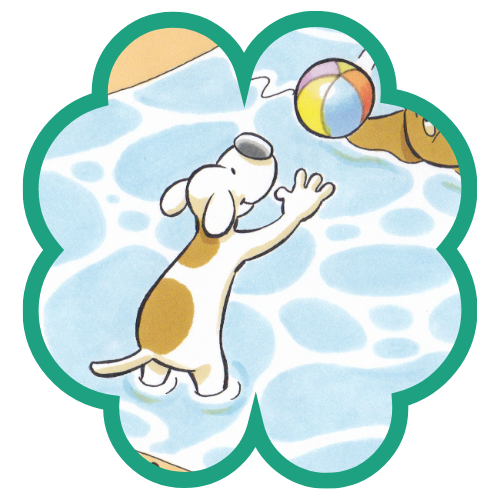
Underresponsive & active
Needs more input and goes looking for it.
- Brings extra activities
- Loves movement and excitement
- Tries new food and experiences
- Rarely bored
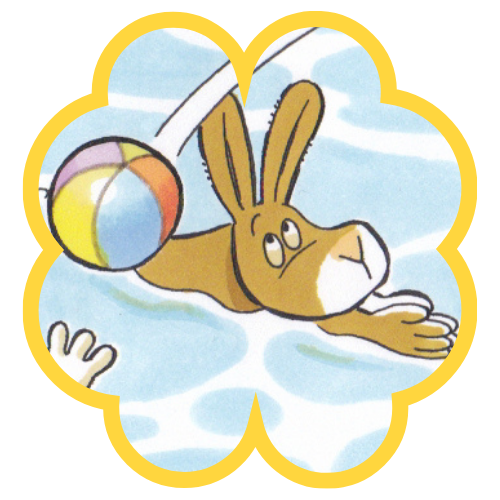
Underresponsive & passive
Needs more input but doesn’t seek it.
- Easygoing and flexible
- Forgets things (like sunscreen)
- Joins in when invited
- Doesn’t mind what’s on the menu
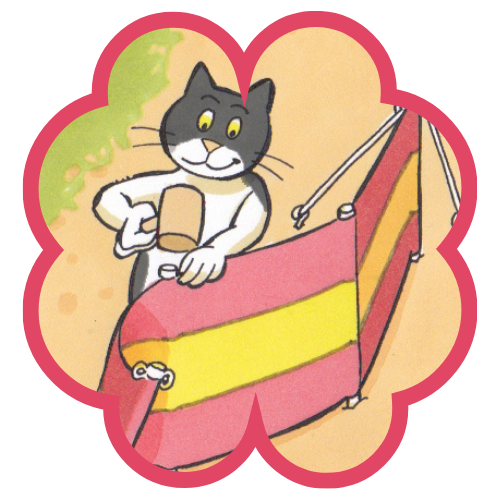
Overresponsive & active
Receives too much input and tries to control it.
- Plans carefully
- Avoids discomfort (sun, sand, salt)
- Prefers structure and predictability
- Checks before committing
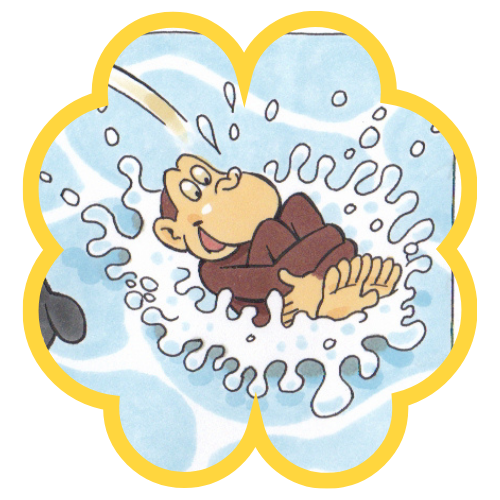
Overresponsive & passive
Receives too much input but doesn’t avoid it.
- Notices bright sun, cold water
- Feels tired or overwhelmed
- Gets uncomfortable and grumbles about it
- Needs recovery afterwards
Neutral
Enjoys the day and adapts easily.
- Brings what’s needed
- Notices the cold water, adjusts
- Comfortable staying or leaving
- Curious about dinner
Example
The five types at the beach
Five people. One beach. Same sun, same sea but completely different experiences.
Underresponsive & active
Needs more input and goes looking for it.
- Brings extra activities
- Loves movement and excitement
- Tries new food and experiences
- Rarely bored
Underresponsive & passive
Needs more input but doesn’t seek it.
- Easygoing and flexible
- Forgets things (like sunscreen)
- Joins in when invited
- Doesn’t mind what’s on the menu
Overresponsive & active
Receives too much input and tries to control it.
- Plans carefully
- Avoids discomfort (sun, sand, salt)
- Prefers structure and predictability
- Checks before committing
Overresponsive & passive
Receives too much input but doesn’t avoid it.
- Notices bright sun, cold water
- Feels tired or overwhelmed
- Gets uncomfortable and grumbles about it
- Needs recovery afterwards
Neutral
Enjoys the day and adapts easily.
- Brings what’s needed
- Notices the cold water, adjusts
- Comfortable staying or leaving
- Curious about dinner
Example
The five types at the beach
Five people. One beach. Same sun, same sea but completely different experiences.
Underresponsive & active
Needs more input and goes looking for it.
- Brings extra activities
- Loves movement and excitement
- Tries new food and experiences
- Rarely bored
Underresponsive & passive
Needs more input but doesn’t seek it.
- Easygoing and flexible
- Forgets things (like sunscreen)
- Joins in when invited
- Doesn’t mind what’s on the menu
Overresponsive & active
Receives too much input and tries to control it.
- Plans carefully
- Avoids discomfort (sun, sand, salt)
- Prefers structure and predictability
- Checks before committing
Overresponsive & passive
Receives too much input but doesn’t adapt to it.
- Notices bright sun, cold water
- Feels tired or overwhelmed
- Gets uncomfortable but adapts quietly
- Needs recovery afterwards
Neutral
Enjoys the day and adapts easily.
- Brings what’s needed
- Notices the cold water, adjusts
- Comfortable staying or leaving
- Curious about dinner